
Dentures
REPLACING MISSING TEETH
Dentures in Maroochydore to Support Everyday Function
We know that missing teeth can affect far more than just appearance. At Cotton Tree Dental, we work with patients to find denture solutions that suit their individual needs, oral health, and daily lifestyle.
Custom dentures are crafted to replace missing teeth and restore oral function, with our team working closely with you to develop a personalised treatment plan.
Ready to begin?
RESERVE YOUR APPOINTMENT TODAY
Booking a consultation is straightforward. Our friendly team is ready to help you understand your denture options and take the next step with your care.
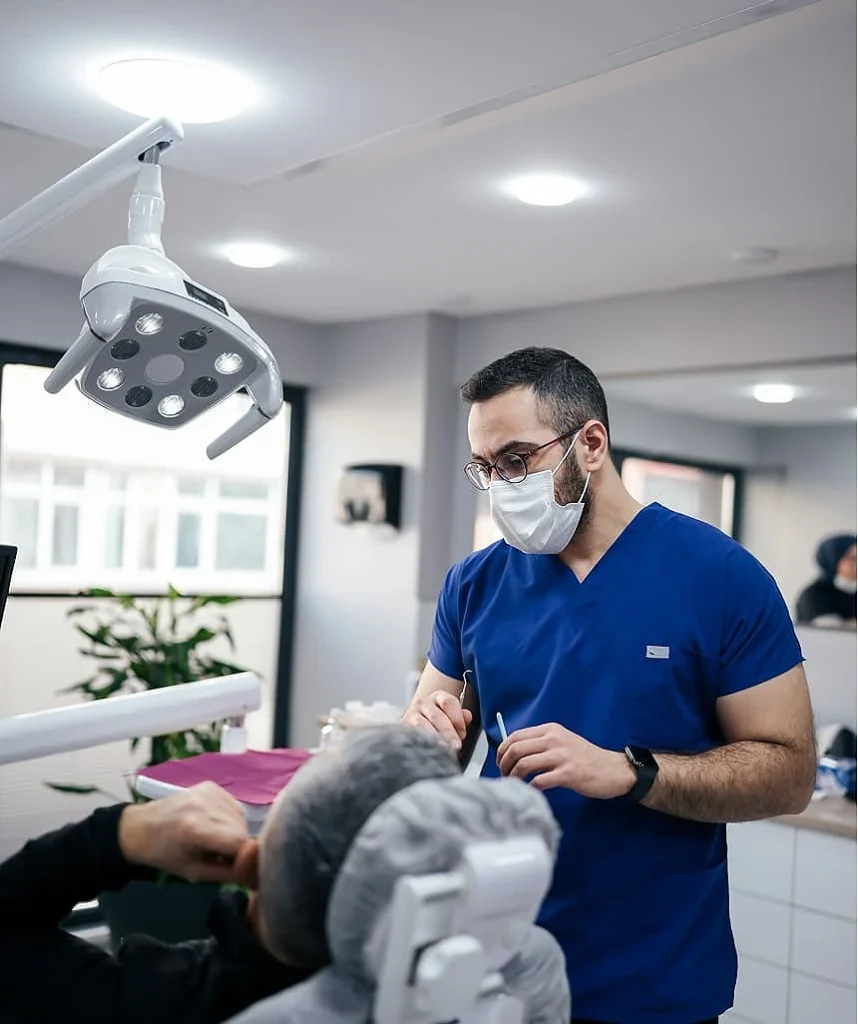
The Benefits of DENTURES
What Are the Benefits of Dentures?
Dentures address more than just the appearance of missing teeth. They support daily oral function and help maintain the structure of the jaw over time. Common reasons patients consider dentures include:
Restored Chewing Function
Well-fitted dentures are designed to reinstate chewing function, allowing patients to manage a broader range of foods more comfortably day to day.
Supporting Facial Structure
Tooth loss can lead to gradual changes in jaw structure. Dentures fill the space left by missing teeth, helping support the surrounding tissue.
A More Stable Fit
Modern dentures are crafted to fit closely to the gums. Where implant support is used, a noticeably more secure fit is possible, reducing movement.
Protecting Remaining Teeth
Gaps left by missing teeth may allow adjacent teeth to shift. Partial dentures fill these spaces, which may help reduce shifting and protect bite alignment.
DENTURE TREATMENT OPTIONS
What Types of Dentures Are Available?
Each patient’s situation is different. The right denture depends on how many teeth are missing, the condition of remaining teeth and gums, and your individual preferences. Cotton Tree Dental offers a range of options.
Full Dentures
Full dentures replace an entire arch of missing teeth. They rest on the gum tissue and are custom-fabricated from detailed impressions. Available for the upper arch, lower arch, or both, with fitting and adjustment appointments following fabrication.
Partial Dentures
Partial dentures replace one or more missing teeth using metal clasps or attachments to connect to adjacent teeth. They are removable for cleaning and are custom-made to match the shape of the remaining dentition where appropriate.
Chrome Dentures
Chrome dentures use a cast metal framework that is generally thinner and stronger than an acrylic base. The framework sits on the palate or lower jaw, offering structural strength with a less bulky profile for everyday wear.
Immediate Dentures
Immediate dentures are fabricated prior to extraction and fitted on the same day. As the gums and bone change shape during healing, they may require relining or adjustment over time and are often used as a transitional solution.
Implant-Retained Dentures
Implant-retained dentures attach to dental implants placed in the jawbone, providing a more stable and secure fit than conventional dentures. A consultation is required to assess jawbone suitability and oral health before any treatment can proceed.
A Considered Approach to Denture Care in Maroochydore
Whether you are attending your first consultation or returning for a fitting adjustment, our team at Cotton Tree Dental takes the time to listen and work at a pace that suits you.
Our clinic is designed to feel calming rather than clinical, and our team takes an unhurried approach to every appointment.
Frequently Asked Questions
Note: Any surgical or invasive procedure carries risks. Before proceeding, you should seek a second opinion from an appropriately qualified health practitioner.
How do I care for my dentures at home?
Dentures should be removed and cleaned at least once a day using a soft-bristled denture brush and a non-abrasive denture cleaning solution or mild soap. Avoid using regular toothpaste, which can be too abrasive for denture materials and may scratch the surface, making it more susceptible to staining and bacterial buildup over time.
When not in use, store dentures in clean water or a denture cleaning solution to prevent them from drying out and losing their shape. Avoid hot water, which can cause the denture base material to warp.
Your gum tissue and any remaining natural teeth should also be cleaned daily using a soft toothbrush. Rinse your mouth after meals where possible. Attend regular dental check-ups so your dentist can monitor the fit and condition of the denture and examine the surrounding oral tissues for any changes. Visiting your dentist regularly also allows early identification of any changes to the fit of your denture before they become a more significant issue.
How long do dentures generally last?
With proper care, dentures can remain functional for a number of years, but the fit will typically change over time as the underlying jawbone and gum tissue naturally shift following tooth loss. Most dentures will eventually require a reline, adjustment, or replacement at some point.
According to the Australian Dental Association, dentures should be assessed regularly by a dentist or dental prosthetist to monitor their fit and overall condition. A poorly fitting denture can cause discomfort, difficulty chewing, and ongoing irritation to the gum tissue if left unaddressed.
As a general guide, patients are encouraged to have their dentures reviewed every one to two years, though individual circumstances vary. If your denture feels loose, causes persistent sore spots, or shows visible wear or damage, contact your dentist promptly rather than waiting until your next scheduled check-up. Having your dentures reviewed annually also provides an opportunity to assess your overall oral health, including the gum tissue, remaining teeth, and any changes to the jawbone.
Will my dentures affect how I speak?
Some adjustment in speech is common when first wearing dentures, particularly full dentures. Certain sounds may feel different to produce as the tongue adapts to the new shape and volume inside the mouth. This adjustment period typically improves with consistent daily wear and deliberate practice over the first few weeks.
Reading aloud at home and practising words that feel difficult to articulate are strategies that can help speed up the adaptation process. Wearing dentures consistently throughout the day rather than removing them frequently also helps the mouth adjust more quickly.
If speech difficulties persist beyond the first few weeks, or if the denture feels loose or unstable during speaking, consult your dentist. A professional adjustment or realignment may be required. Your dentist can provide guidance specific to your situation at your fitting and follow-up appointments. If you are unsure whether your denture fits as well as it should, book a check-up appointment so the fit and stability can be assessed professionally.
Can I sleep with my dentures in?
It is generally recommended to remove dentures at night to allow the gum tissue to rest from the pressure of wearing them throughout the day. Wearing dentures continuously without breaks can put prolonged pressure on the gum tissue and underlying bone, which may affect gum health over the longer term.
When dentures are removed overnight, they should be stored in clean water or denture solution to prevent them from drying out and losing their shape. Your dentist will provide personalised guidance at your fitting appointment, as individual circumstances may vary depending on the type of denture and your oral health.
If you have been specifically advised to wear your dentures continuously during an initial post-extraction period, follow those instructions carefully. Outside of any such specific period, overnight removal is the standard recommendation for most denture wearers. If you have concerns about wearing your denture overnight, speak with your dentist at your next scheduled appointment for tailored advice.
How long does the denture fitting process take?
The timeline for completing a new set of dentures varies depending on the type of denture and whether tooth extractions are required beforehand. For conventional dentures where no extractions are needed, the process typically involves several appointments spread over a number of weeks, including the initial consultation, impression-taking, a try-in assessment, and the final fitting.
If tooth extractions are required prior to fitting, additional healing time is needed before final impressions can be taken. This can extend the overall timeline by several weeks or more, depending on how many teeth are removed and how the healing process progresses for the individual patient.
Immediate dentures can be fitted on the same day as tooth extractions, reducing the period of being without teeth. However, as the gums and bone heal and change shape, immediate dentures typically require relining or replacement once the healing period is complete. Your dentist will also advise on any follow-up appointments needed after the final fitting to monitor how the denture is settling.
What should I do if my dentures feel uncomfortable?
Some initial adjustment discomfort is normal when first wearing new dentures, as the gum tissue adapts to the presence of the new appliance. Mild soreness in the first few days is common and generally settles as the mouth adjusts and the tissue becomes accustomed to the denture.
If you experience persistent pain, sore spots that do not resolve within the first adjustment period, or significant difficulty chewing and speaking, contact your dentist for an assessment. Do not attempt to adjust the denture yourself, as this can cause further fit issues or damage the appliance material.
Your dentist can determine whether a professional adjustment, reline, or repair is needed. Regular check-up appointments allow your dentist to identify any changes in fit early and address them before they become a more significant issue. Our team at Cotton Tree Dental in Maroochydore is available to help with any questions or concerns about your denture during the adjustment period and beyond.
What should I do if my dentures break?
If your denture breaks, chips, or cracks, contact your dentist or dental prosthetist as soon as possible to arrange an assessment. Do not attempt to repair the denture using household adhesives, superglue, or other non-dental products. These materials are not suitable for use in the mouth and can damage the denture and potentially irritate the oral tissue.
A professional repair can often be completed within a relatively short timeframe, depending on the nature and extent of the damage. Your dentist will assess whether a repair is clinically appropriate or whether the denture needs to be remade entirely given its overall condition.
Where possible, avoid wearing a broken denture in the meantime, as sharp or uneven edges can cause irritation or injury to the surrounding gum tissue. Contact Cotton Tree Dental in Maroochydore to book an assessment appointment. If you are unsure whether to continue wearing the denture in its current state, contact our team for advice before your appointment to avoid further discomfort or injury.
Can dentures be relined or repaired?
Yes, dentures can often be relined, repaired, or adjusted rather than replaced entirely, depending on the issue and the overall condition of the appliance. A reline involves adding new material to the fitting surface of the denture to improve how it sits against the gum tissue, which changes shape naturally over time as the underlying bone shifts.
A reline is commonly recommended when a denture that previously fitted well has become loose, uncomfortable, or less stable during wear. Both chair-side and laboratory relines are available. Laboratory relines generally provide a more durable, long-lasting result and are carried out by a dental technician.
Minor repairs such as replacing a broken tooth or resealing a cracked denture base can often be completed in a single appointment. Your dentist will advise on the most appropriate course of action following a thorough assessment of the denture and surrounding oral tissues. If you have questions about whether your current denture is still fitting correctly or whether a reline may be appropriate, speak with your dentist at your next visit.
How Does the Denture Process Work?
A Carefully Guided Journey from Consultation to Confident Smile
Consultation and Treatment Planning
Your first appointment includes a thorough examination of your teeth, gums, and jawbone. Your dentist discusses suitable options, reviews any extractions needed, and prepares a treatment plan tailored to your situation.
Impressions and Custom Fabrication
Detailed impressions are taken and used to fabricate your custom dentures in the laboratory. A try-in appointment allows fit, bite, and appearance to be assessed before the final denture is produced.
Fitting, Adjustment, and Follow-Up
At the fitting appointment, the denture is assessed for comfort and bite. Adjustments are made, and guidance on cleaning and wear is provided. Follow-up appointments address any settling-in concerns.

200+ 5-star Reviews
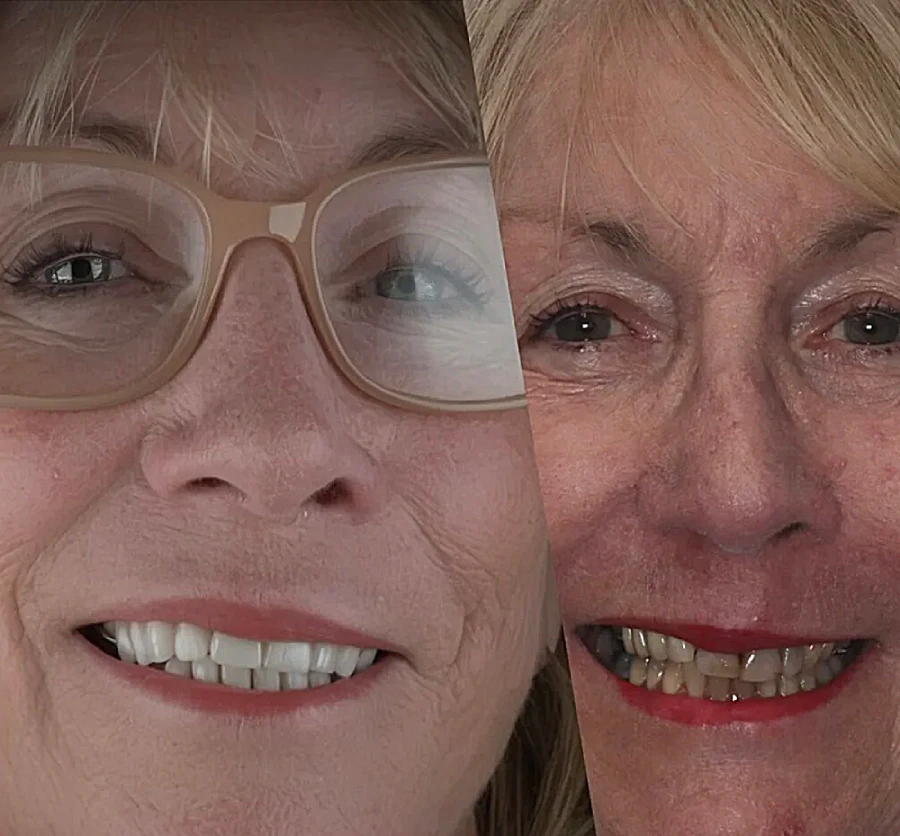
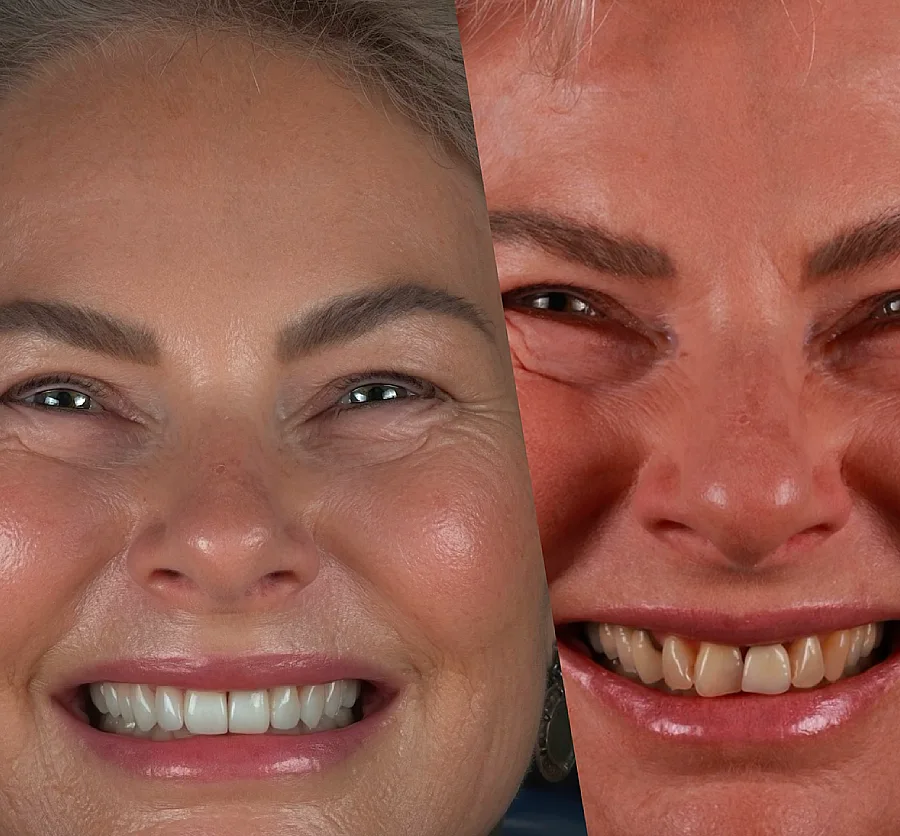
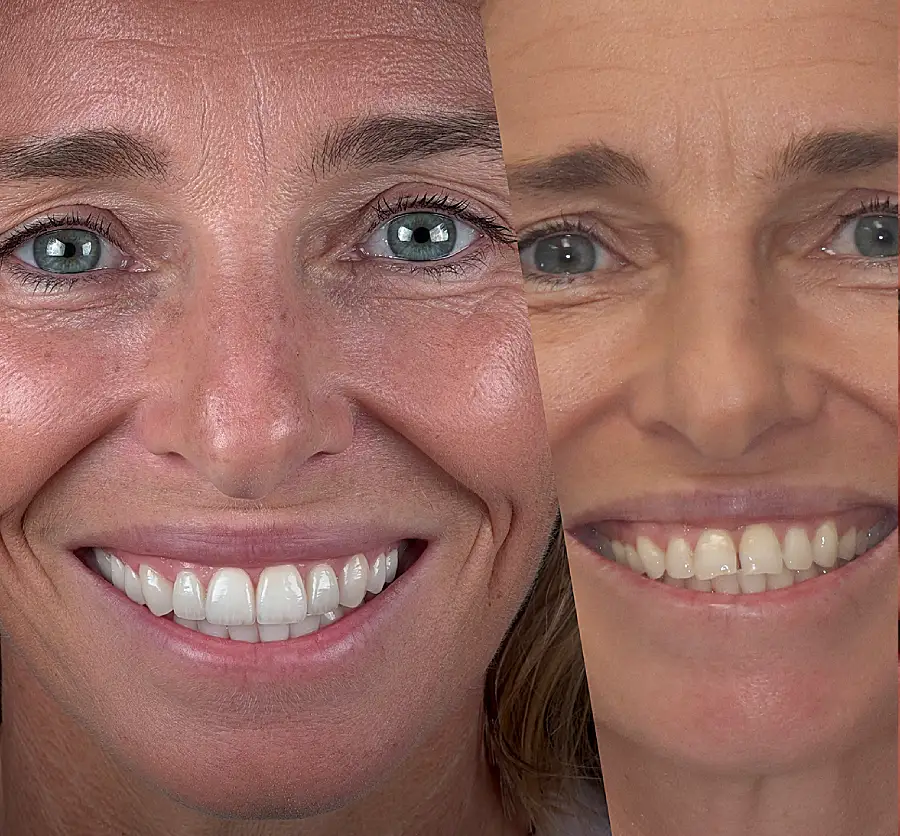
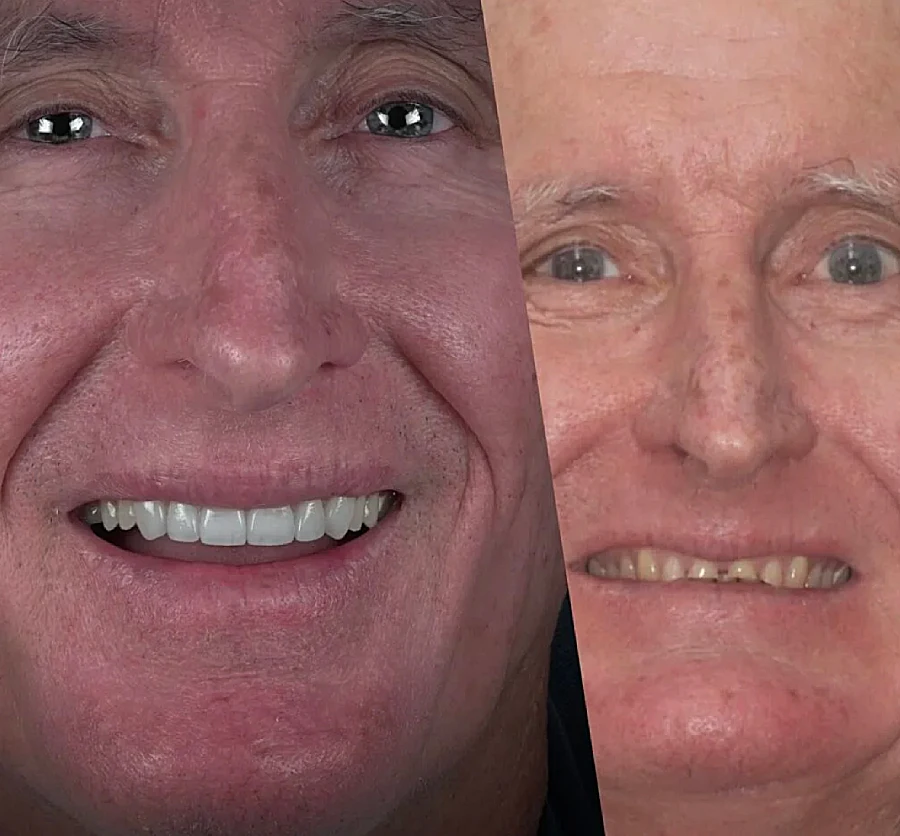
Real smiles, real confidence
See the transformations we’re proud of.
Work We Are Proud Of
Cases completed at our practice.
Visit Us in Maroochydore
-
Monday - Friday: 8:00 am - 5:00 pm
Saturday: 8:00 am - 3:00 pm (by appointment)
Sunday: Closed